
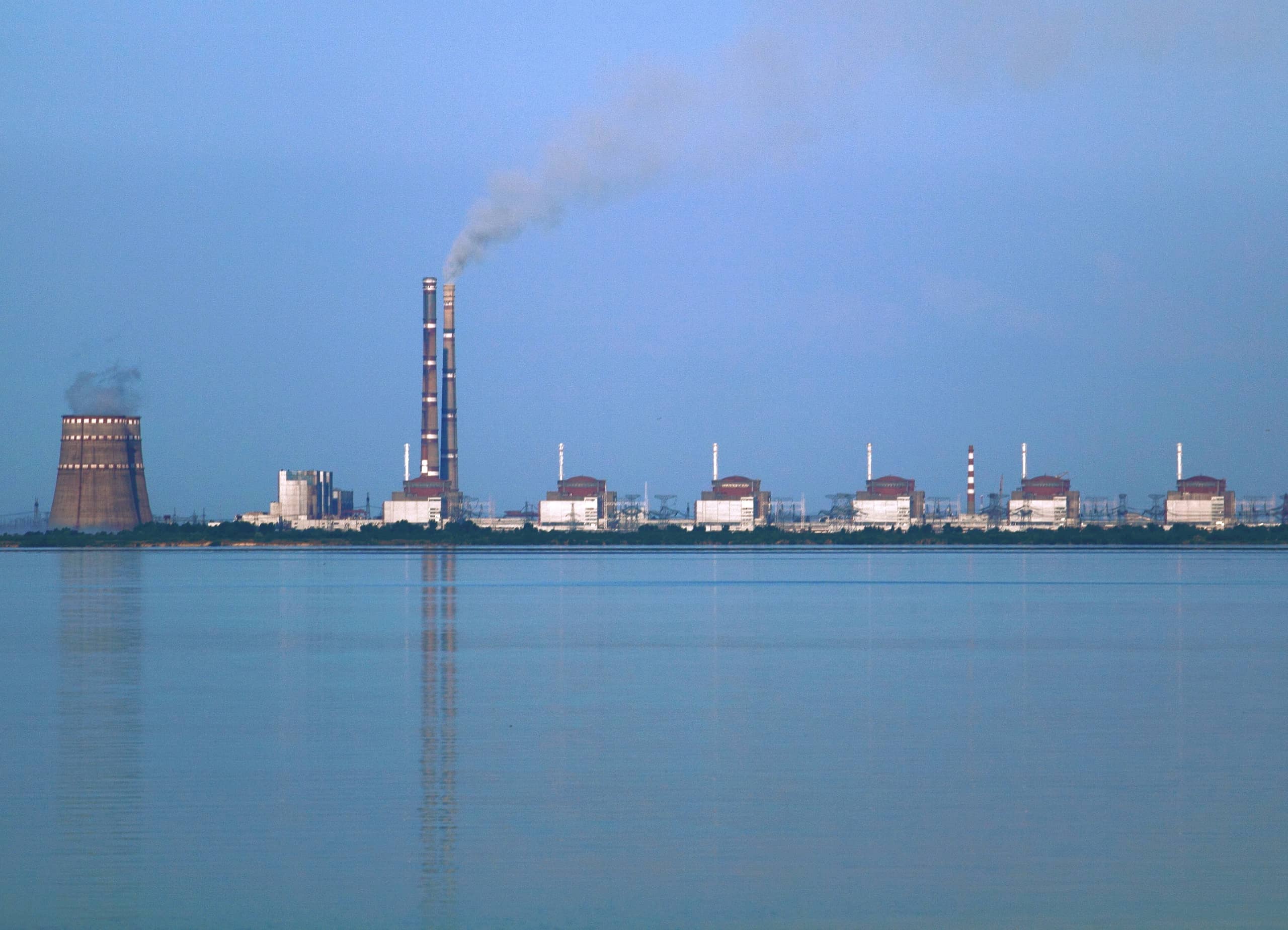
The Ukrainian nuclear power plant near Zaporizhzhia has been without electricity from the grid for more than a week. This is due to the loss of the two power lines connecting the plant to the Ukrainian electricity grid. The plant relies on diesel generators to cool its nuclear fuel. On Saturday, 30 August, these generators had enough diesel fuel for another 10 days, the International Atomic Energy Agency (IAEA) reported. Even after that, there would still be several weeks before the hot nuclear fuel could damage itself.
Shut down earlier as a precaution
The Zaporizhzhia nuclear power plant is the largest nuclear power plant in Ukraine. It was shut down as a precaution early in the war. This enables the plant to better cope with the consequences of power outages or problems with cooling water. Even when shut down, the nuclear fuel continues to generate residual heat. Electricity is therefore needed to cool the fuel. The IAEA has international observers at the Zaporizhzhia nuclear power plant site and publishes news updates on the plant’s nuclear safety.
Ongoing power problems
The Zaporizhzhia nuclear power plant receives electricity through two power lines. The main 750-kilovolt line has been damaged for some time. The backup 330-kilovolt line has also been out of service for a week as a result of hostilities. The nuclear power plant has diesel generators to generate its own electricity. They have enough fuel for another 10 days. They were last refuelled in March 2026.
The IAEA is attempting to broker a local ceasefire between Russia and Ukraine to enable the power lines to be repaired and the diesel supplies to be replenished.
No immediate problems in the event of a power outage
Even if the plant were to lose all power, it would take approximately three weeks before an accident situation developed. The nuclear fuel is stored underwater in pools. The residal heat from the nuclear fuel elements would evaporate the water, eventually exposing the elements to the air. Only then would the fuel elements become hot enough to damage themselves. In that event, radioactive material could be released into the immediate surroundings. This process is slow because the nuclear power plant has now been shut down for four years. Measures can be taken before this point is reached, such as repairing the power lines, refuelling the diesel generators or replenishing the water in the pools using pumps.
Hostilities pose a risk to nuclear safety
The IAEA calls for extreme restraint in military activities around nuclear installations. In its latest update, the IAEA reports drone strikes on the site of the Zaporizhzhia nuclear power plant. No increase in radiation levels was detected at the site. Other nuclear power plants in Ukraine also regularly report drones flying overhead.